Every chess player knows the strange satisfaction of saving a game that seemed hopeless. It is a form of moral victory — an act of endurance, not conquest. In this, the game mirrors the movements of nations and men.
The present war in Ukraine brings to mind the concept of stalemate. It is often used loosely by journalists, but in chess it has a precise meaning: the player whose turn it is has no legal move and is not in check, so the game is drawn. It is an end without victory, a stillness forced upon both sides.
The term “stalemate” entered English in 1765, derived from the Anglo-French estale, meaning standstill. Its figurative use — to describe political or military deadlock — appeared a century later. But in truth, most of these so-called stalemates are temporary. The Western Front in 1916 was not a stalemate, for the line did eventually break; nor is the current conflict between Russia and Ukraine, which remains fluid and unresolved.
In chess, stalemate was not always a draw. In the ancient Indian game of chaturanga, it meant defeat; in shatranj, it meant victory. For centuries the rule changed from land to land — in Spain it won half the stake, in England it counted as a loss to the player who gave it, and only by the nineteenth century did the modern rule prevail. Thus even the concept of a draw has a history.
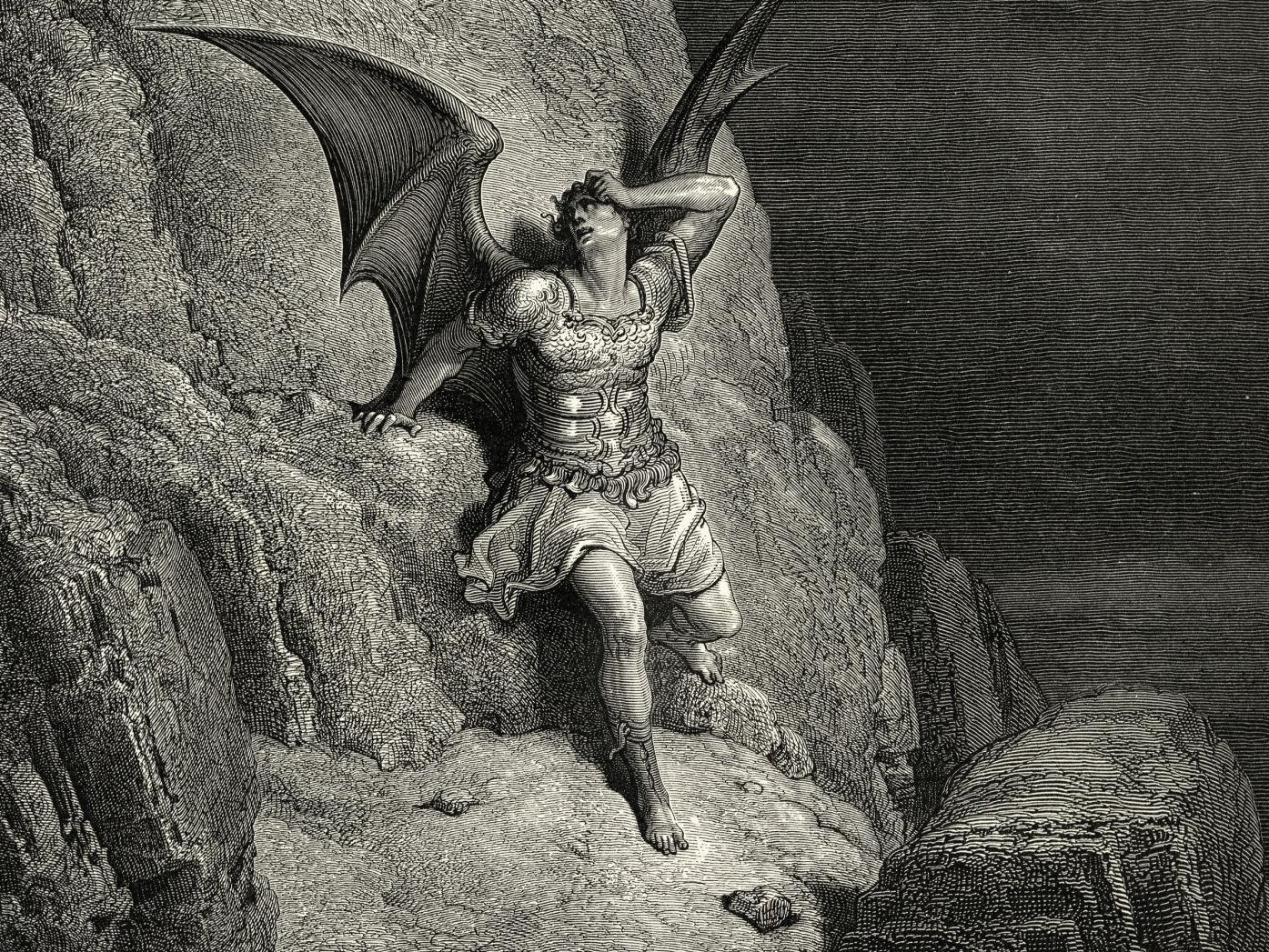
Another common misuse is “checkmate.” Checkmate, unlike stalemate, is absolute. It admits no recovery. Dante understood this finality. In the Inferno, he places the traitors — Judas, Brutus, and Cassius — frozen in ice beneath the wings of Lucifer himself. Their punishment is eternal motion without progress, a parody of life. Each of Satan’s mouths chews its victim endlessly, never destroying them, never setting them free. It is a vision of the perfect checkmate — an ending from which there is no return.
I sometimes imagine a special corner of Dante’s Ninth Circle reserved for politicians and commentators who use chess metaphors without understanding them. But even they, I suspect, could learn something from the game: that stalemate is not despair, that the draw is not defeat, and that the true art of chess — and of history — lies in knowing when to resist and when to accept the inevitable.