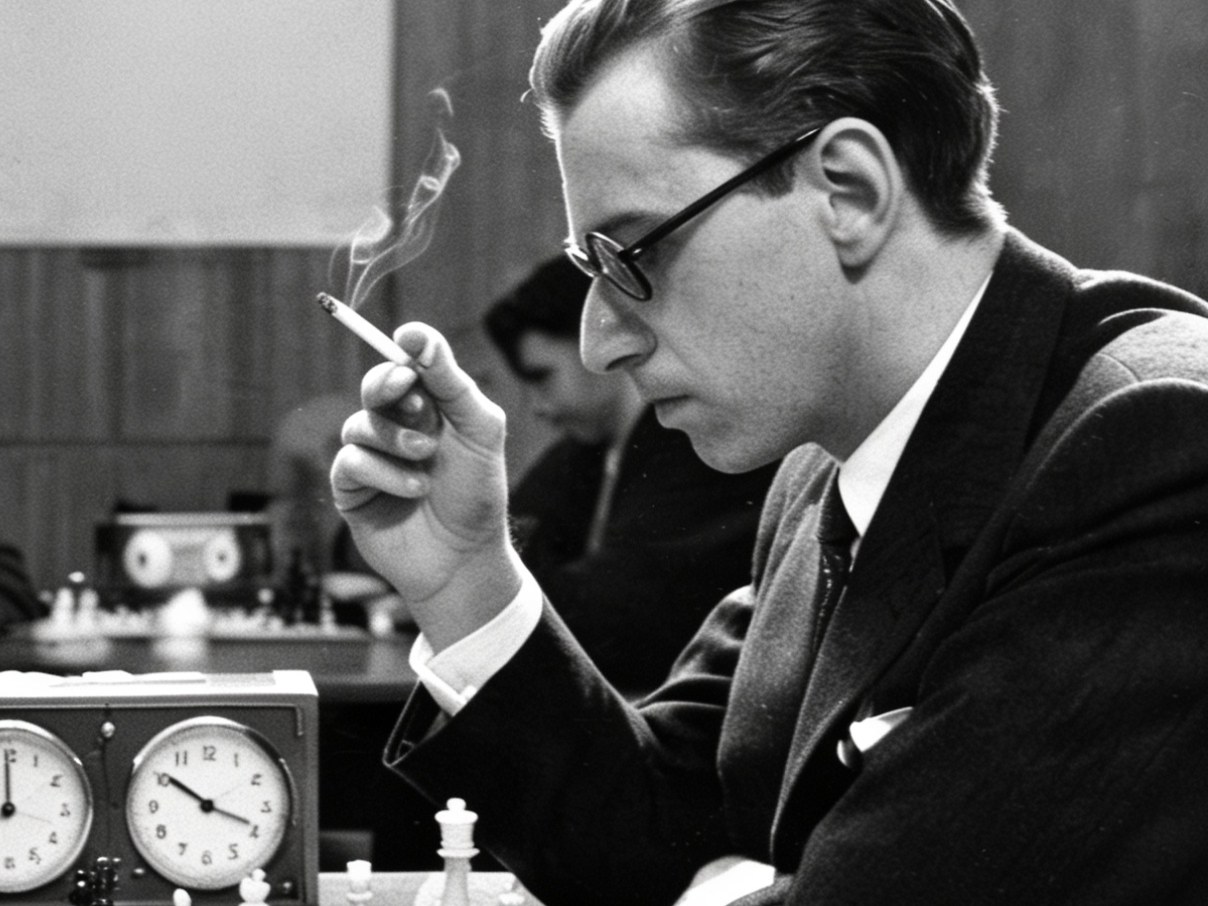
Fide is the acronym for the world chess federation (federation internationale des Echecs) and Gens una sumus (we are one race) is their motto. Chess can be a powerful antidote to discrimination. From an early age I had to face opponents from all over the world across the chessboard and I scarcely noticed their ethnic or gender origin. What mattered was how strong were their moves!
Chess is one of the world’s oldest games of war, sharing a similar antiquity to the Chinese encirclement game of Go, Chinese chess (aka Xiangqi), and the Japanese game of Shogi. However, chess is generally said to have been developed, not in China or Japan, but in the north of India at some period before 500 AD.indeed, some experts place the origins of chess in Mohenjo Daro of the Harappan civilisation (in what is now Pakistan) thousands of years BCE.
Some cultures have been more prolific in producing great exponents of chess than others, notably the cultures of Judaism, Russia and now Pakistan’s neighbour, India, harking back perhaps to the sub continent’s presumed foundation of the game. Amongst Jewish great masters one might single out Wilhelm Steinitz, Johannes Zukertort, Siegbert Tarrasch, Emanuel Lasker, Akiba Rubinstein, Aron Nimzowitsch, Rudolf Spielmann, Mikhail Botvinnik, Mikhail Tal, Bobby Fischer, Viktor Korchnoi, and of course Garry Kasparov. Amongst Russians one could cite Mikhail Tchigorin, Alexander Alekhine, Anatoly Karpov and Vladimir Kramnik, while from the subcontinent we have Sultan Khan, Vishwanathan Anand and an amazing crop of burgeoning juniors including Arjun Erigaisi, Dommaraju Gukesh, Rameshbabu Praggnanandhaa, Nihal Sarin, Raunak Sadhwani, Ashwath Kaushik, Shreyas Royal and last, but very definitely not least, the 8-year-young girl, Bodhana Sivanandan — the latter two both, of course, British players of Indian / Pakistan heritage.
I insist on use of culture, and not race, since I doubt that race actually exists as a meaningful classification, given that human beings share over 90% of our DNA with chimpanzees, and, it has been claimed, around 60% with the humble banana. Not to mention an equal fifty percent share with the even more lowly pea!! It is my firm belief that seeming racial differences can be explained by the varying responses of the human organism to climate, weather and particular topographical locations — for example, fair skin tones being less resistant to strong sunlight. At any rate, while the board and pieces are of course black and white, the game of chess is colour blind.
In fact, the human “race” for there is only one, positively thrives and burgeons on exogamy, intermarriage strengthens not weakens while the much vaunted racial purity of the Nazis and their ilk, in fact leads to genetic narrowing and inevitable deterioration. The famous inbreeding of the Habsburgs, and the dysfunctional Habsburg jaw, is a case in point.
Apart from chess, the subcontinental culture was also notably adept in the early development of mathematics. There are many examples: Aryabhatta, from the golden 5th century, who numbered the days in a year but more significantly, developed trigonometry for spherical geometry; Bhaskara, the 7th century originator of the Hindu decimal system and Brahmagupta who developed the usage of zero and introduced negative numbers into calculative arithmetic; and the 9th century Mahavira, who differentiated between mathematics and astrology, refining geometric calculations including the proof the there are no square roots of negative numbers.
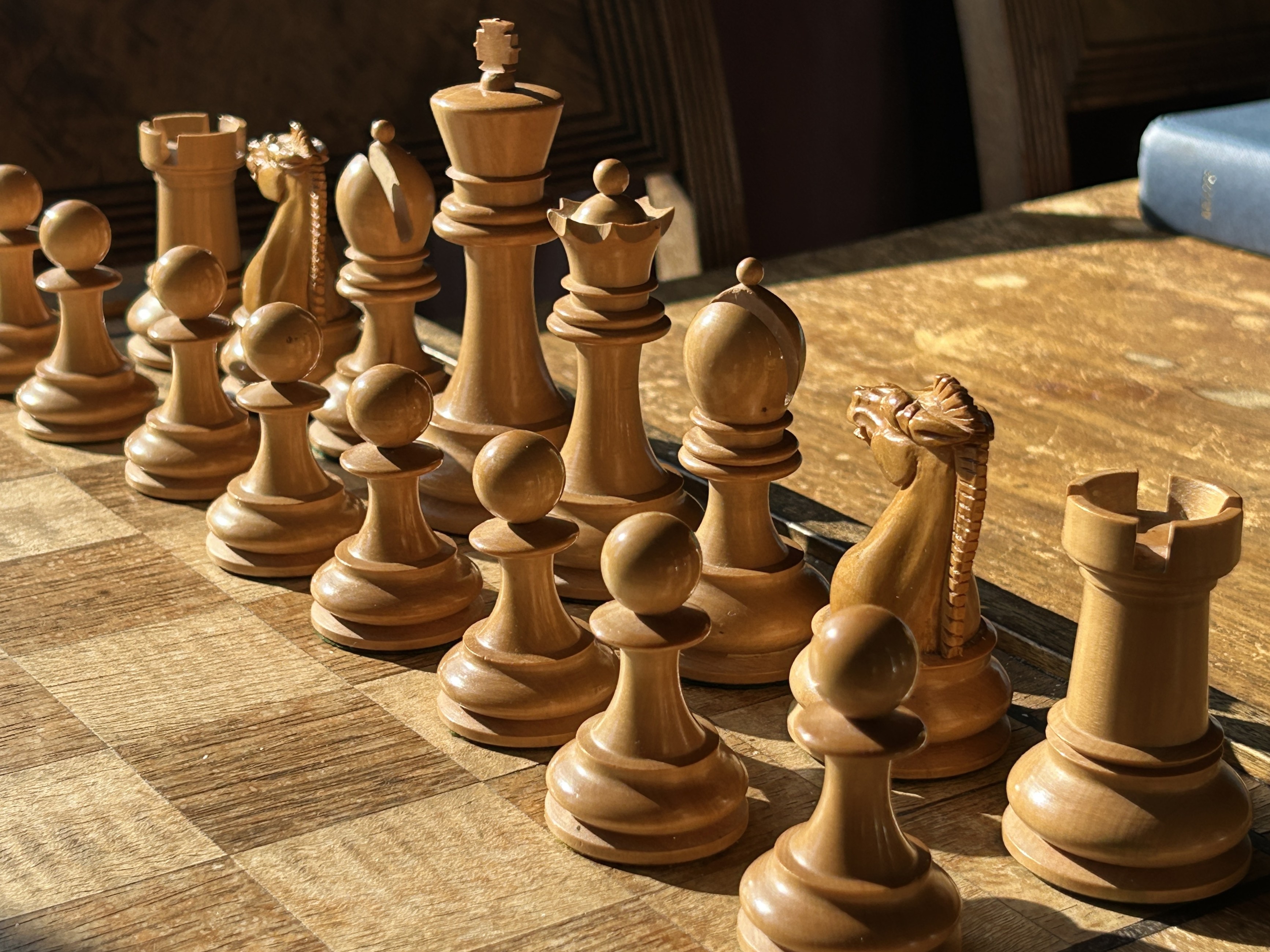
The original chess pieces, less mobile than their modern counterparts, represented units of the ancient Indian army: foot-soldiers, cavalry, armed chariots and, of course, elephants. The fighting troops were led on the chessboard, as in real life, by the King and his senior minister, the vizier (which became the queen in the modern game). From India, chess spread through central Asia, China, Persia, and Europe. The game was popular in Constantinople in the 11th century AD, and was recorded as a favourite pastime of the Byzantine Emperor Alexius Comnenus.
Once the game had reached the West, both the identity and design of the individual chess pieces were gradually modified to reflect the social milieu of feudal Europe. The king, of course, remained unchanged, while pawns still represented infantry. The elephant, the heavy cavalry of Indian arms, was, though, replaced by the bishop, representing the power of the church in the mediaeval environment. The elephant, in any case, was virtually unknown as an engine of war in the West. The most notable example, perhaps, is Livy‘s mention of Hannibal‘s use of the beasts against Rome during the second Punic War on the Italian mainland. The horse of the Indian game, as one might expect, became the knight, the universally recognised symbol of feudal chivalry. The outdated chariot became the castle (“Turm” in German, “torre” in Spanish, “tour” in French, naturally signifying tower). In English, however, the accepted term is “rook”. This word harks back to the ancient Persian word (“rukh”) for war chariot or perhaps to “rocco”, an Italian alternative for “tower”. Finally, the vizier was transformed into the queen, a vital component of the medieval court and about to become even more powerful during the Renaissance, with dominant figures on the political scene, such as Queen Isabella of Castile, Margaret of Parma, Vicereine of the Spanish Netherlands, Catherine de Medici and of course, Queen Elizabeth I.
Towards the close of the 15th century, in Europe a sweeping change in the rules spontaneously occurred. The most important alteration was the emergence of the chess queen. From being the creepingly feeble companion of the old king, the piece was transformed in Phoenix-like resurrection to the most powerful piece on the chessboard. If one adds to this the double move available to pawns on their first turn, the ability of the new bishop to sweep along entire diagonals and the right to castle the king into safety, one virtually has the modern version of chess that is played worldwide today in 130 countries around the globe. This is the version officially recognised by the International ruling body of chess, the World Chess Federation, FIDÉ (Fédération Internationale des Échecs) which embraces over five million individual members.
Until the 20th century chess was often regarded as a game for the aristocratic, wealthy or leisured classes of society. But today, partly as a result of the impetus given to chess in the Soviet Union after the Russian Revolution of 1917, chess exerts a much broader appeal. If FIDÉ has five million registered players, that number represents but the minute tip of competitors, topping a vastly greater mountain of ordinary enthusiasts and lovers of the game. Indeed, in the Soviet Union, chess was the national sport, more popular than football. As a result of massive state encouragement for the game, Soviet grandmasters more or less dominated world chess from the 1940s until the Soviet megalith itself suddenly expired. Even more impressive is the figure of over a hundred million chess lovers, who have taken to playing online as a result of the Covid pandemic.
Among all the board games, chess appears to have the ideal blend of strategy, tactics and pure skill. Compare it, say, with backgammon, where the outcome is unduly influenced by the fortuitous throw of the dice, or with draughts, where the uniformity of the pieces tends to engineer a predominance of tactical solutions. The only games that compare in subtlety, science and depth with chess are Xiangqi, Shogi and Go.
Chess is an almost perfect combination of art, investigative calculation, knowledge and inspiration.
Analysing a game of chess is primarily an exercise in logic, yet executing a brilliant mating attack or solving a profound strategic question can also bring a genuine feeling of creative achievement. But chess is far from a solitary intellectual undertaking, like the solving of a crossword puzzle. A competition aspect of chess makes it a battle between two individuals, a battle without bloodshed, but still a fierce struggle of mind, willpower and, at the highest levels, physical endurance.
More than anything else though, chess has an ancient and distinguished history. The game provides a deep sense of continuity with the intellectual community of past ages, extending through many hundreds of years and embracing all nations and cultures with some astonishing connections.
Thus, surprisingly, in real life the Aladdin of the pantomime fairy tale was a noted chess player, a lawyer from Samarkand in the court of Tamburlaine, the 14th-century conqueror of much of Asia. Tamburlaine himself loved to play chess; he named his son Shah Rukh, for he was moving a rook on the megalomaniac giant chessboard he preferred (112 square board, and with extra pieces such as the gryphon, giraffe and cannon) when the birth was announced. Goethe was an avid chessplayer and believed, with Leibniz, that the game was essential to the cultivation of the intellect. Benjamin Franklin, another genius, was also an enthusiast – his Morals of Chess,published in 1786, was the first chess publication in America. Shakespeare and Einstein both played chess; Ivan the Terrible, Queen Elizabeth I, Catherine the Great and Napoleon were all chess enthusiasts, while Lenin described chess as “the gymnasium of the mind”.
Among English monarchs, King Henry VIII possessed a chessboard plus pieces. It can doubtless be assumed that Henry regarded chess as a natural accomplishment of a renaissance prince, along with writing poetry and jousting.
Shakespeare’s play Henry VIII brings to a close the mighty history cycle commencing with Edward III, now generally regarded as, at least partly, a Shakespeare original, and one of the very few plays of the period which specifically mentions chess: “And bid the lords hold on their play at chess, For we will walk and meditate alone.” (Scene 3 in the Royal Shakespeare Company edition.)
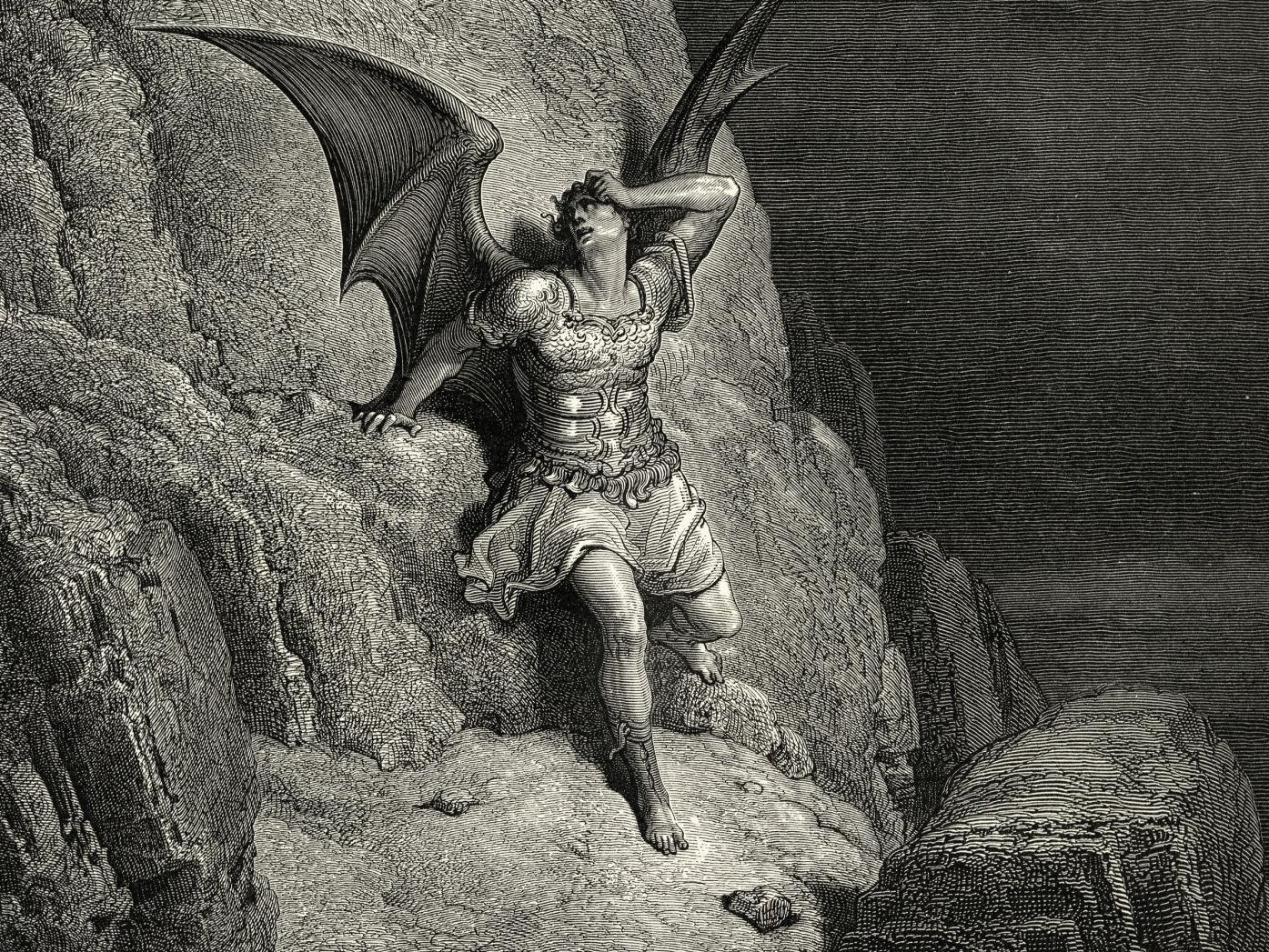
The cycle continues with Richard II, Henry IV Parts One and Two, Henry V, Henry VI Parts One, Two and Three, and Richard III. It is my opinion that this huge dramatic cycle, essentially one long play, represents the true English national epic, in a way that Beowulf (too early in our national lifeline) and Paradise Lost (too Latinate for most readers, though a treat for those who like their English poetry in a Latin word order) do not.
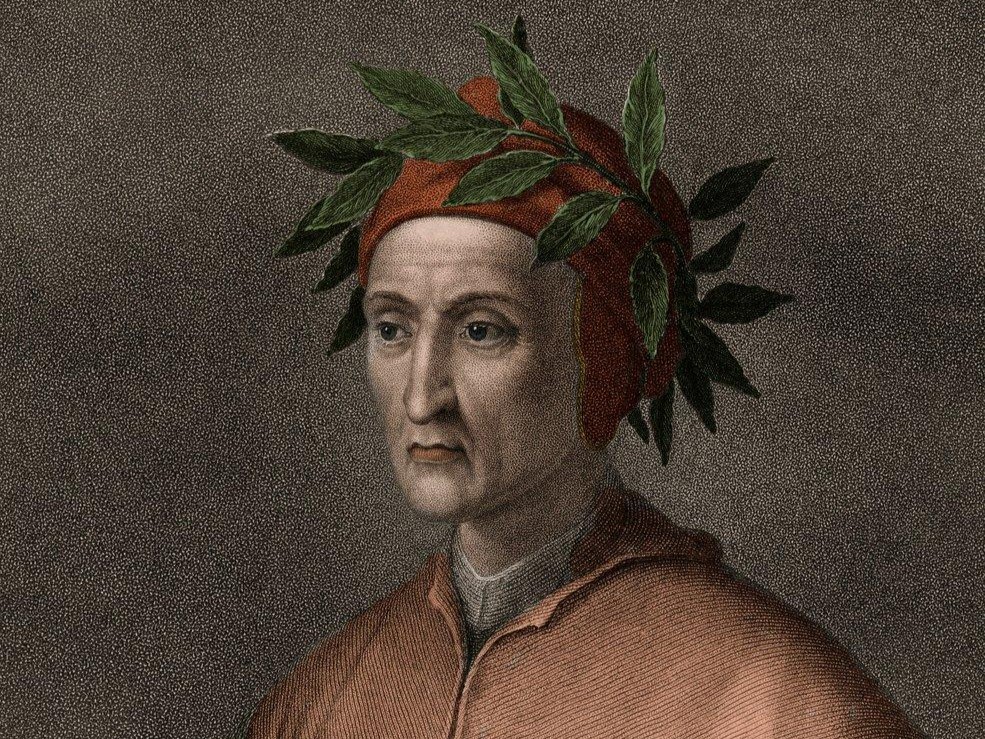
If I am correct, then the Shakespeare histories together create our epic poem of national identity, on a par with Homer’s Iliad and Odyssey, Virgil’s Aeneid, Dante’s Divine Comedy, the Welsh Mabinogion, Finland’s Kalevala, Portugal’s Lusiads and for the Jewish people, the epic story of the Hebrew Bible.
If you are looking for kings, queens, castles, knights and bishops in abundance, then Shakespeare’s histories are the place to go. If you are looking for the origins of chess, and perhaps the explanation of why and which young players are taking the world by storm, then the culture of the Indian / Pakistani subcontinent is the answer.