On August 6, 1945, the world saw the first use of the atomic bomb in war. Hiroshima was destroyed in a single morning. On that same day, in a small town outside the city, two men were playing the second game of a Go championship match. The coincidence is remarkable, and it says something about the way the human mind can shut out the world around it.
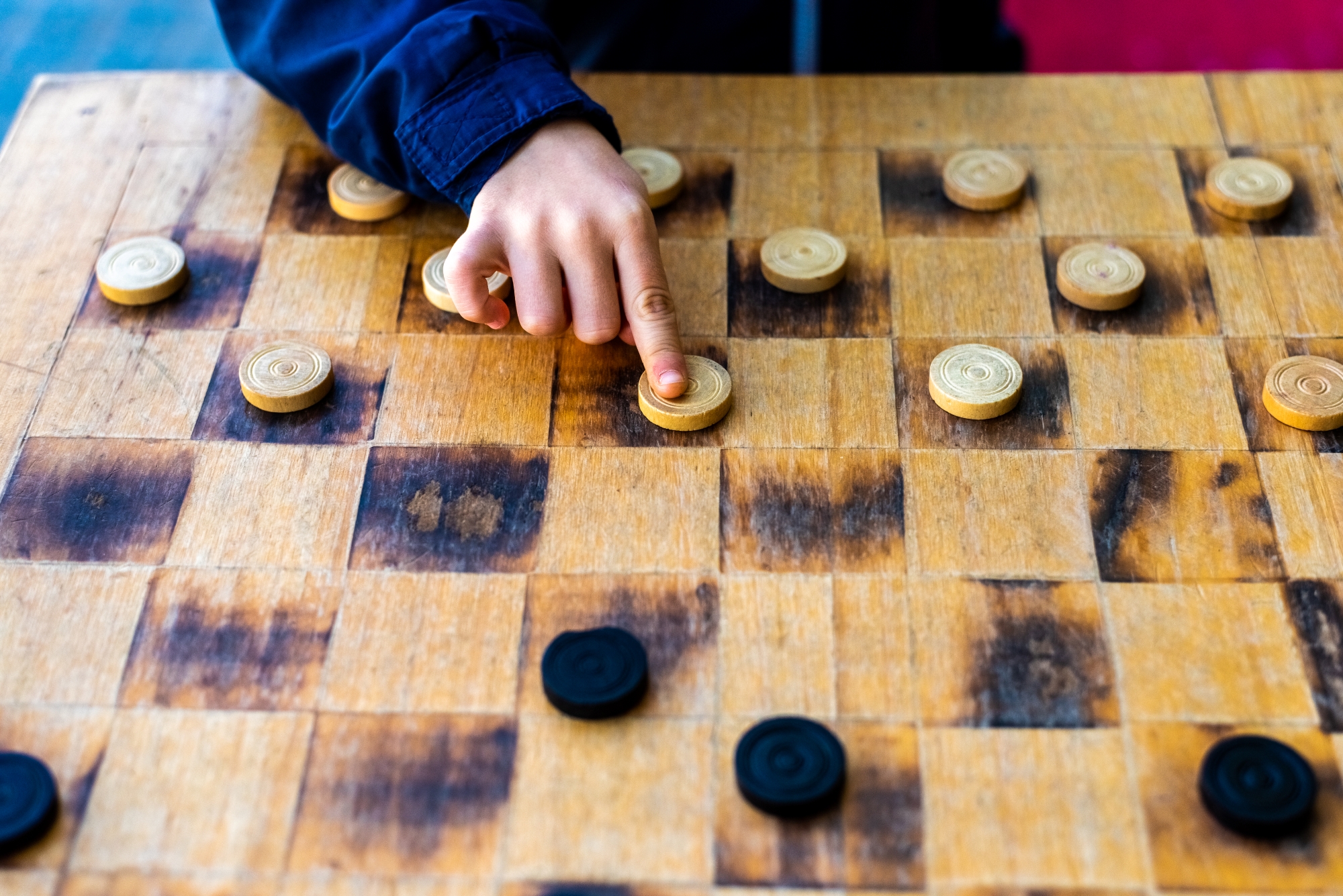
Go, like chess, is a battle between two opponents. Black and White take turns placing stones, not on squares, but on the intersections of a grid. All the stones are identical. Victory does not come from cornering a king, but from surrounding and holding more territory than your opponent. The game was brought to the attention of many in the West through Yasunari Kawabata’s The Master of Go. Kawabata himself, after the suicide of his friend Yukio Mishima, took his own life.
During the war, Go suffered. Young players were drafted, paper for newspapers was scarce, and Go columns were among the first to be cut. Even so, some tournaments went ahead, with the games never printed. By 1945, the conditions for holding matches were poor. That spring, Kaoru Iwamoto, a 7-dan professional, won the right to challenge Hashimoto Utaro for the third Honinbo title. Tokyo was too damaged to host them. Eventually they found a venue in Hiroshima.
The city’s police chief, himself a Go enthusiast, told them not to play there; it was too dangerous. But when he was called away, they ignored his order and played the first game from July 23 to 25. Aircraft strafed the city, but the game went on.
When the police chief returned and discovered what had happened, he forbade them to play again. They moved to Itsukaichi, a suburb of Hiroshima, for the second game, which began on August 4. Their decision to defy the authorities and to move out of the city undoubtedly saved their lives.
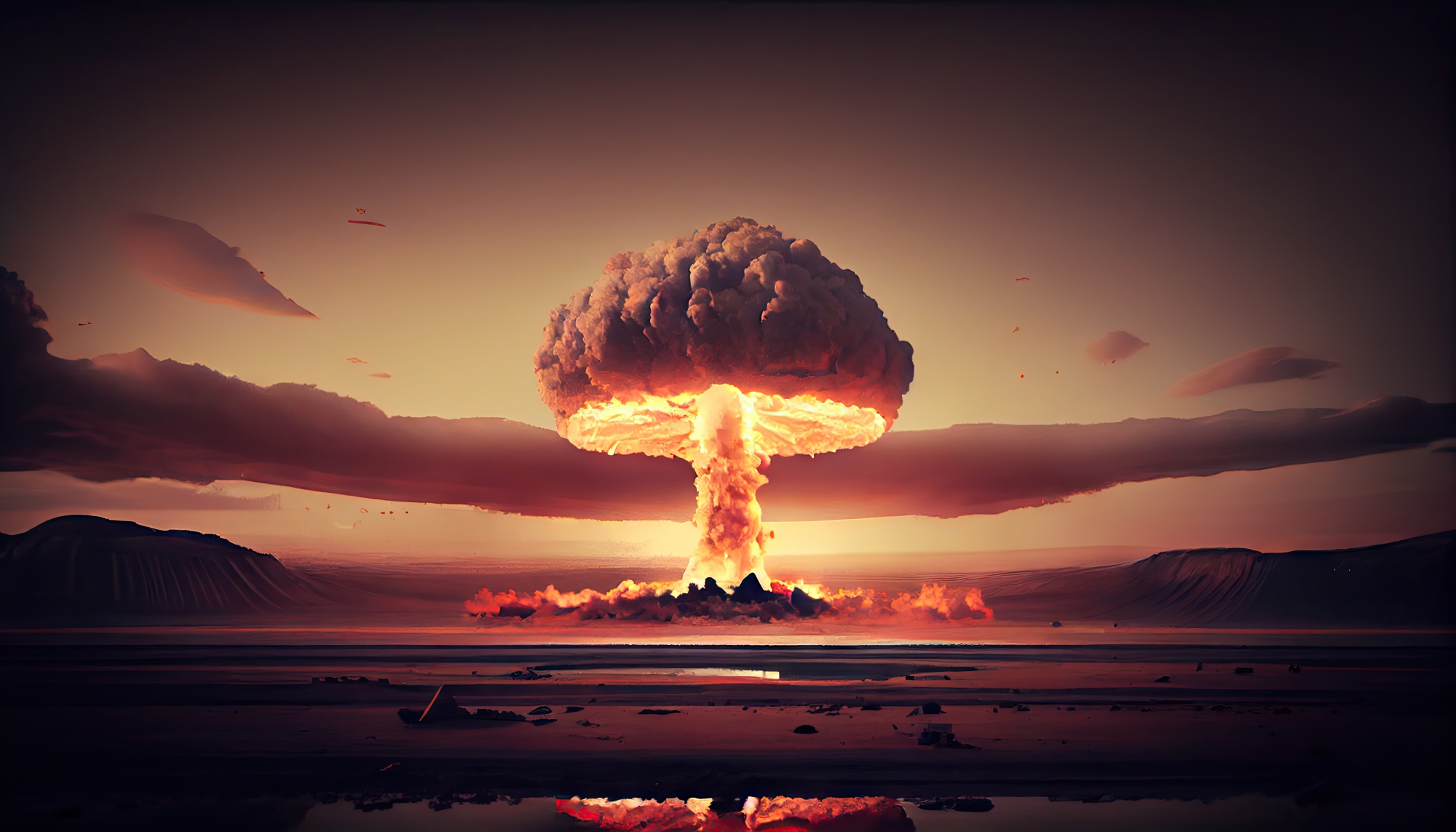
On the morning of the 6th, Hashimoto was in the garden when there was a flash of blinding light, followed by the rising of the mushroom cloud. The blast shattered windows and scattered the stones from the board. They reset the position and finished the game. Hashimoto won by five points.
That evening, the survivors began to arrive in Itsukaichi. Only then did the players begin to grasp what had happened. The house where they had first planned to play was gone. The owner was dead.
A week later the war ended. The match resumed in November and ended in a 3–3 tie. Japan was in chaos, and it was not until July 1946 that a playoff was arranged. Iwamoto won the first two games and took the title.
Both Iwamoto and Hashimoto were important figures in post-war Japanese Go. Had they been killed that day, the game’s history would have been different. Iwamoto defended his title in 1947, but in 1959 Hashimoto regained it. Then, holding the top title, Hashimoto broke away from the Japan Go Association and founded the Western Japan Go Association. For a time the two organisations were rivals; eventually they worked together.
Iwamoto lived to ninety-seven. In his life he travelled widely, establishing Go centres in Amsterdam, São Paulo, Seattle, and New York. His aim was to make Go an international game. That he could spend a lifetime doing this is due, in part, to a simple decision made on a summer morning in 1945: to play a game of Go in the middle of a war.