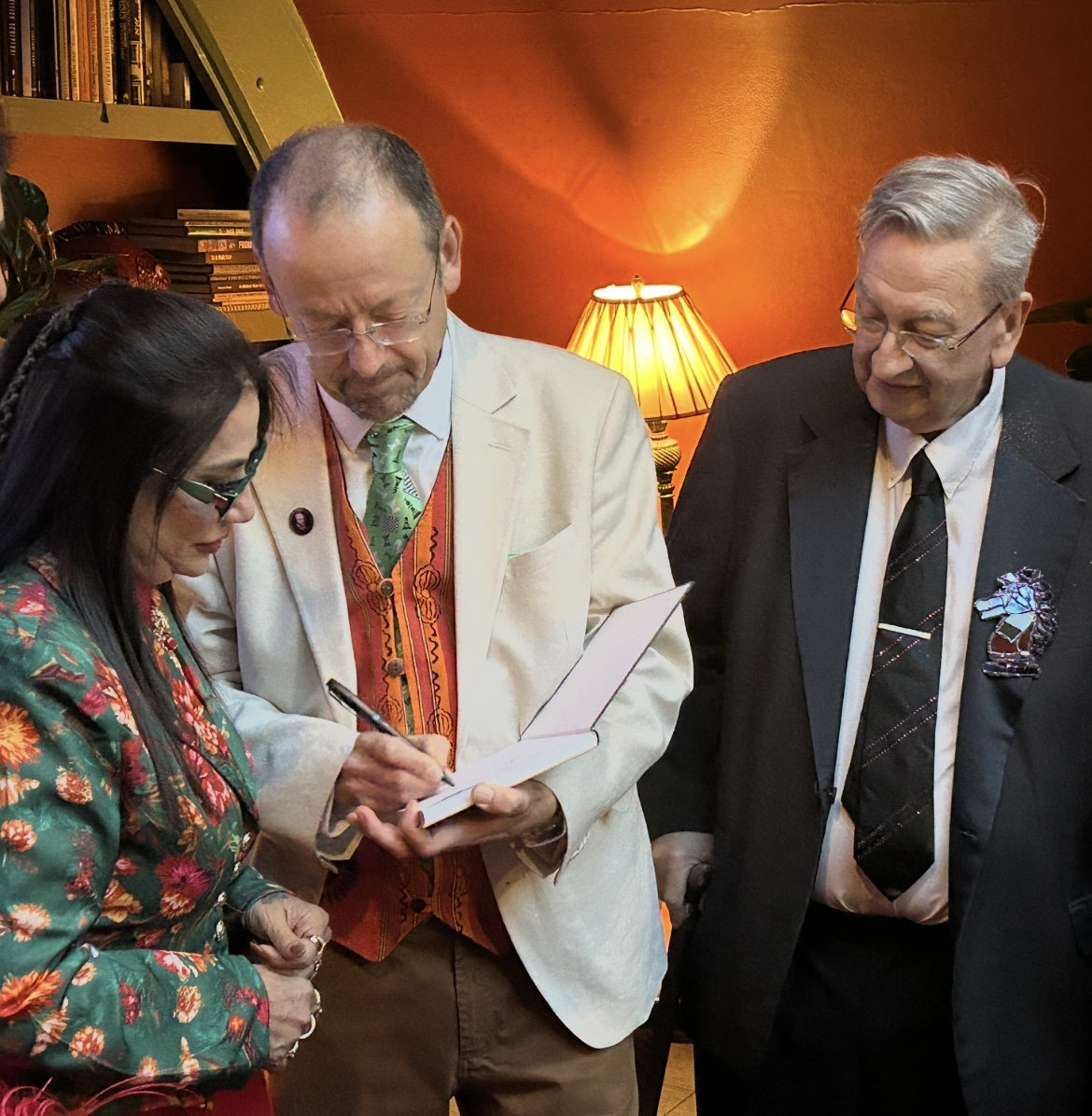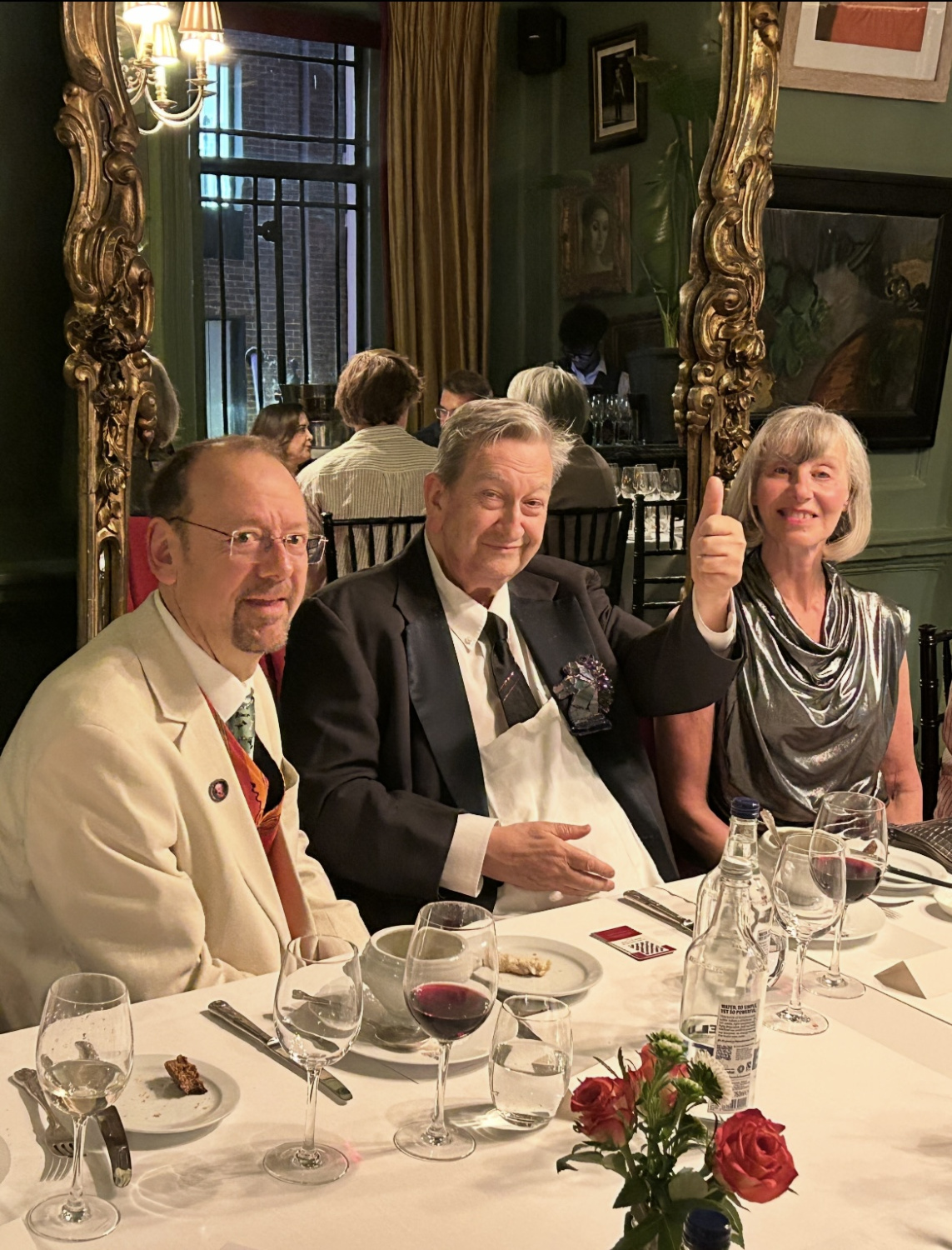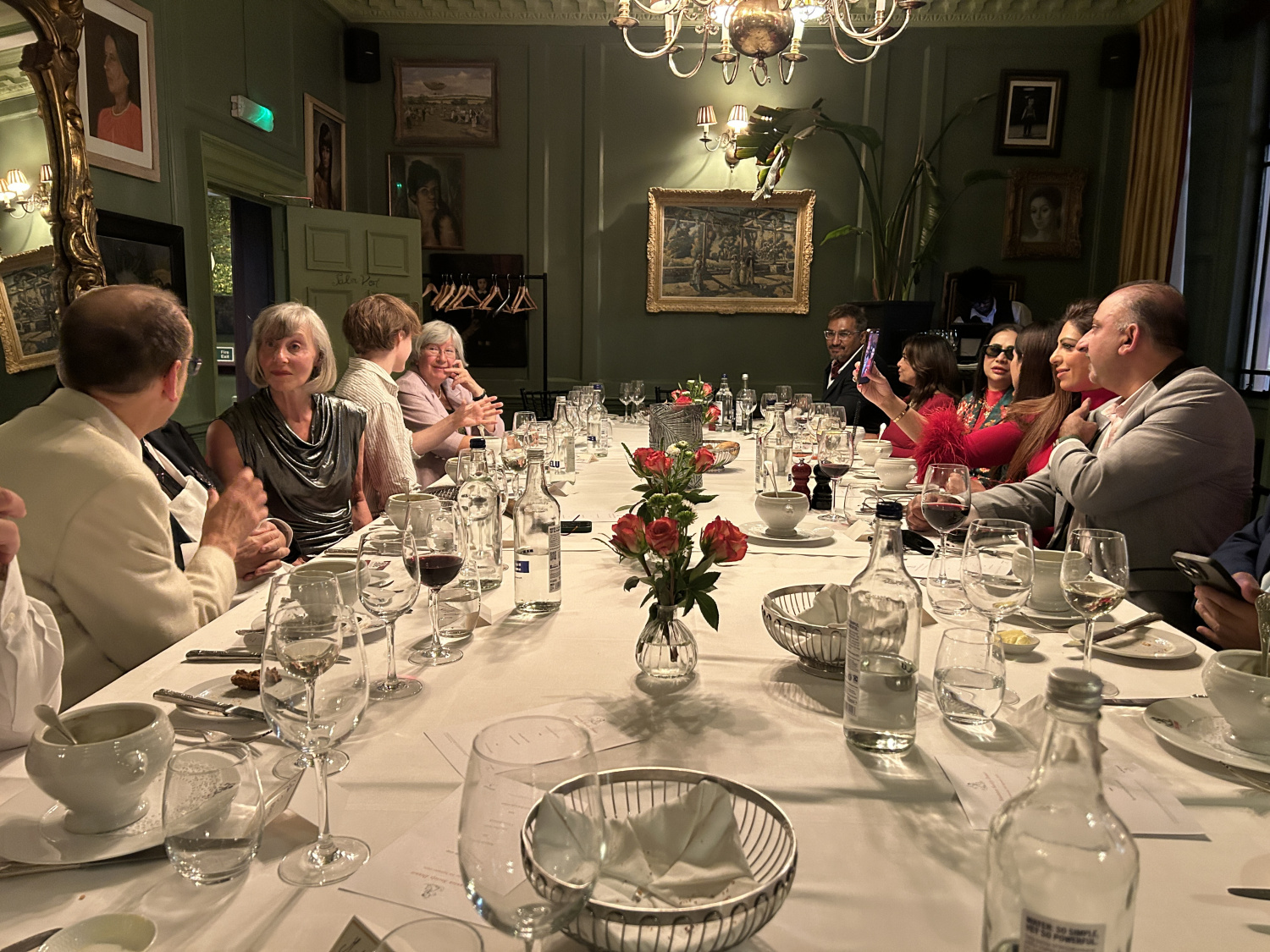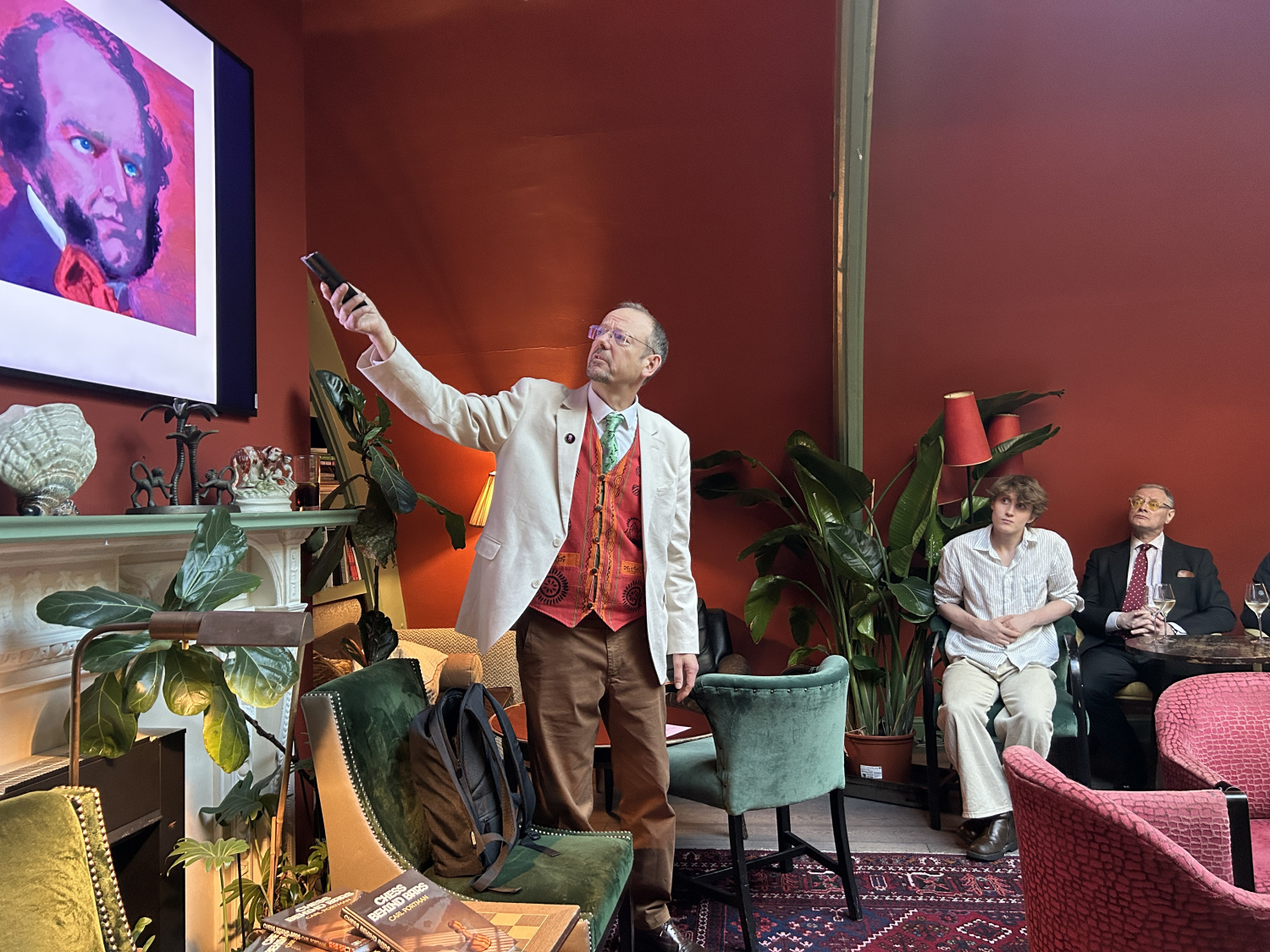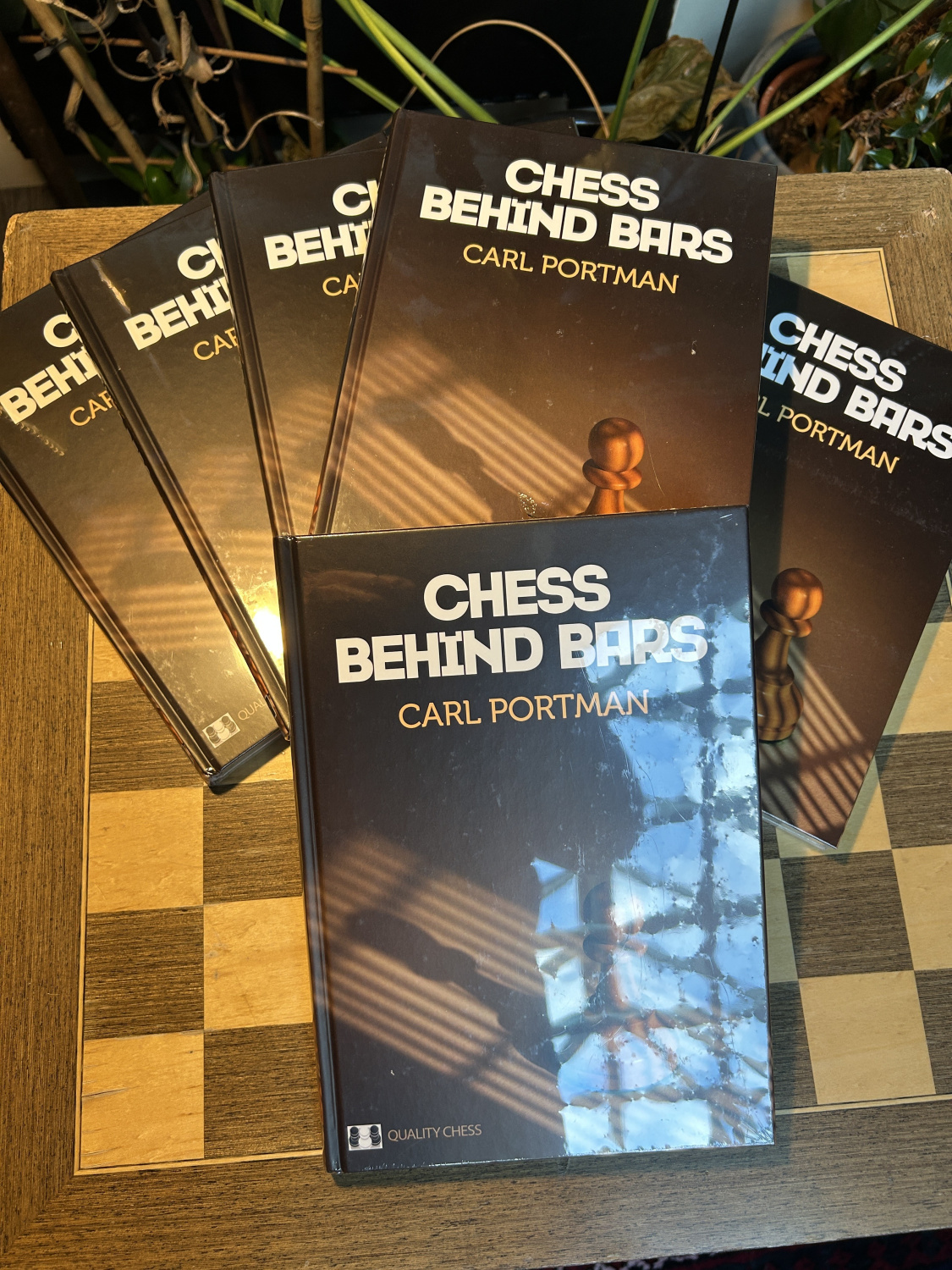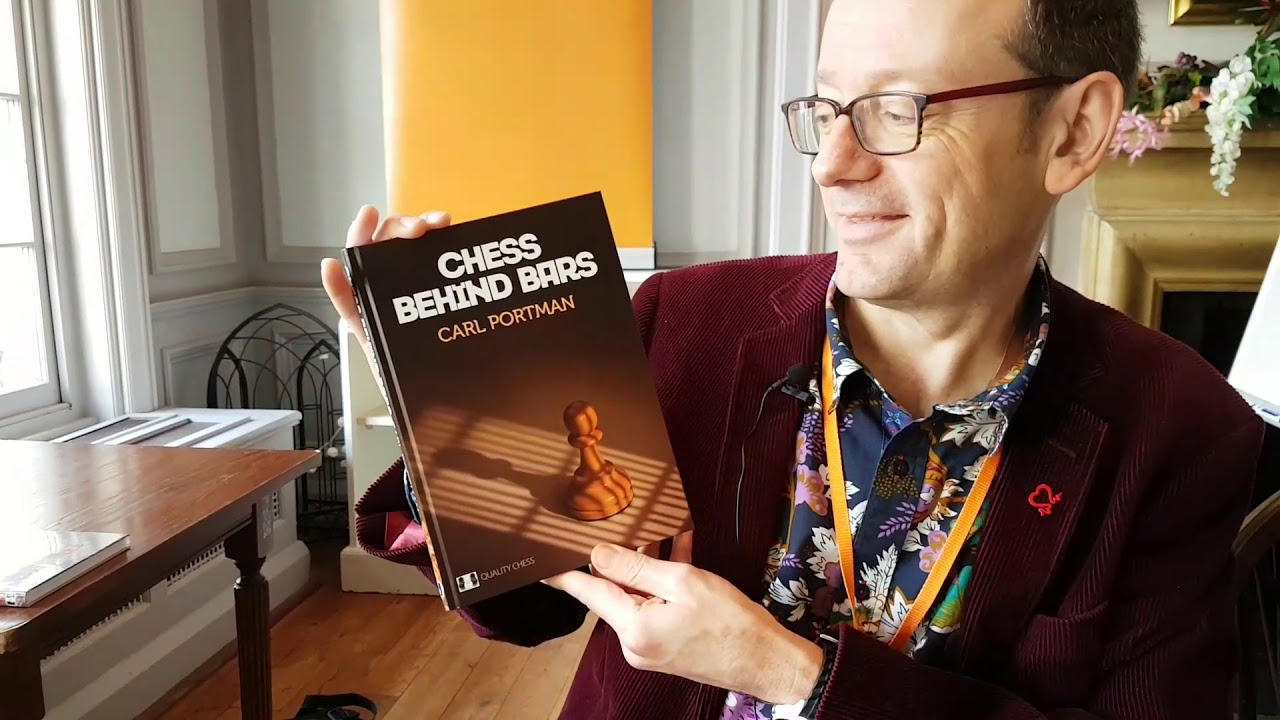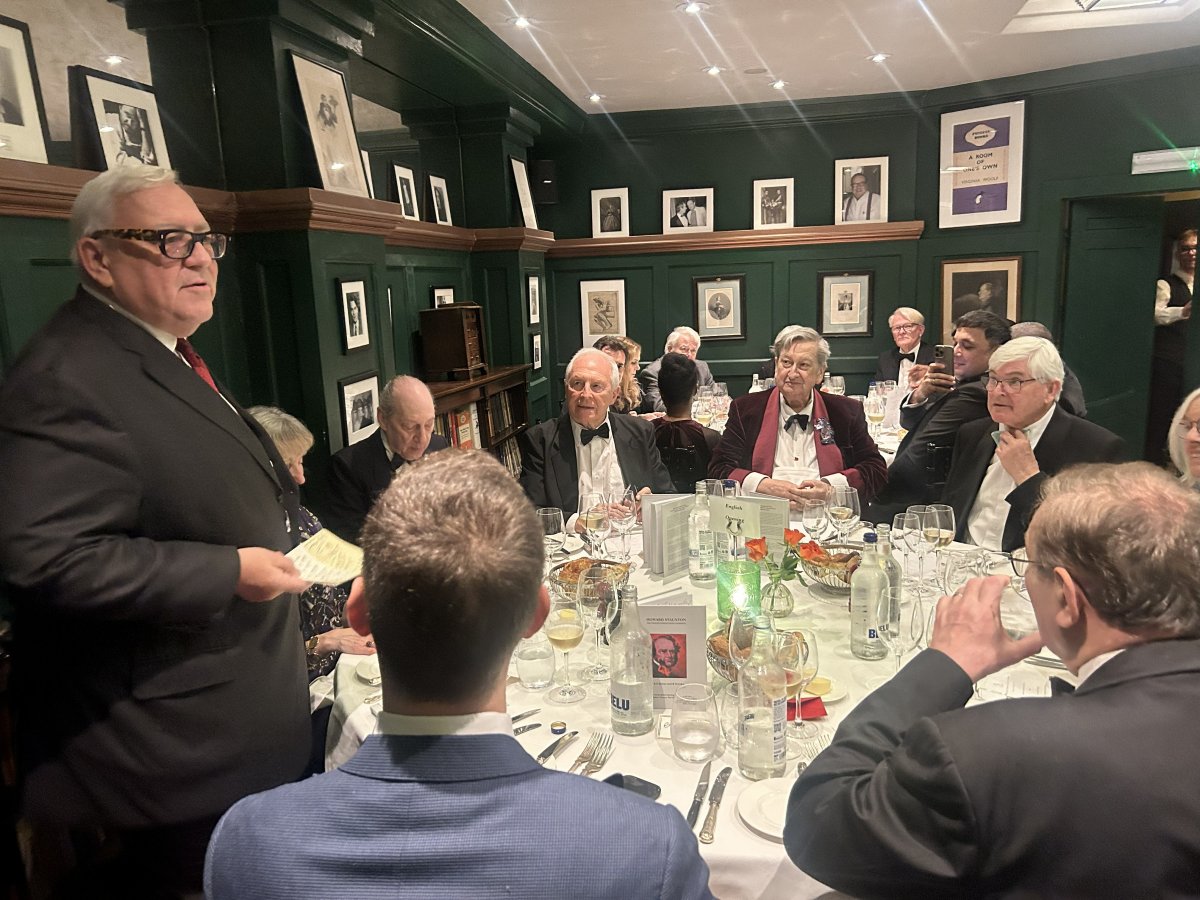
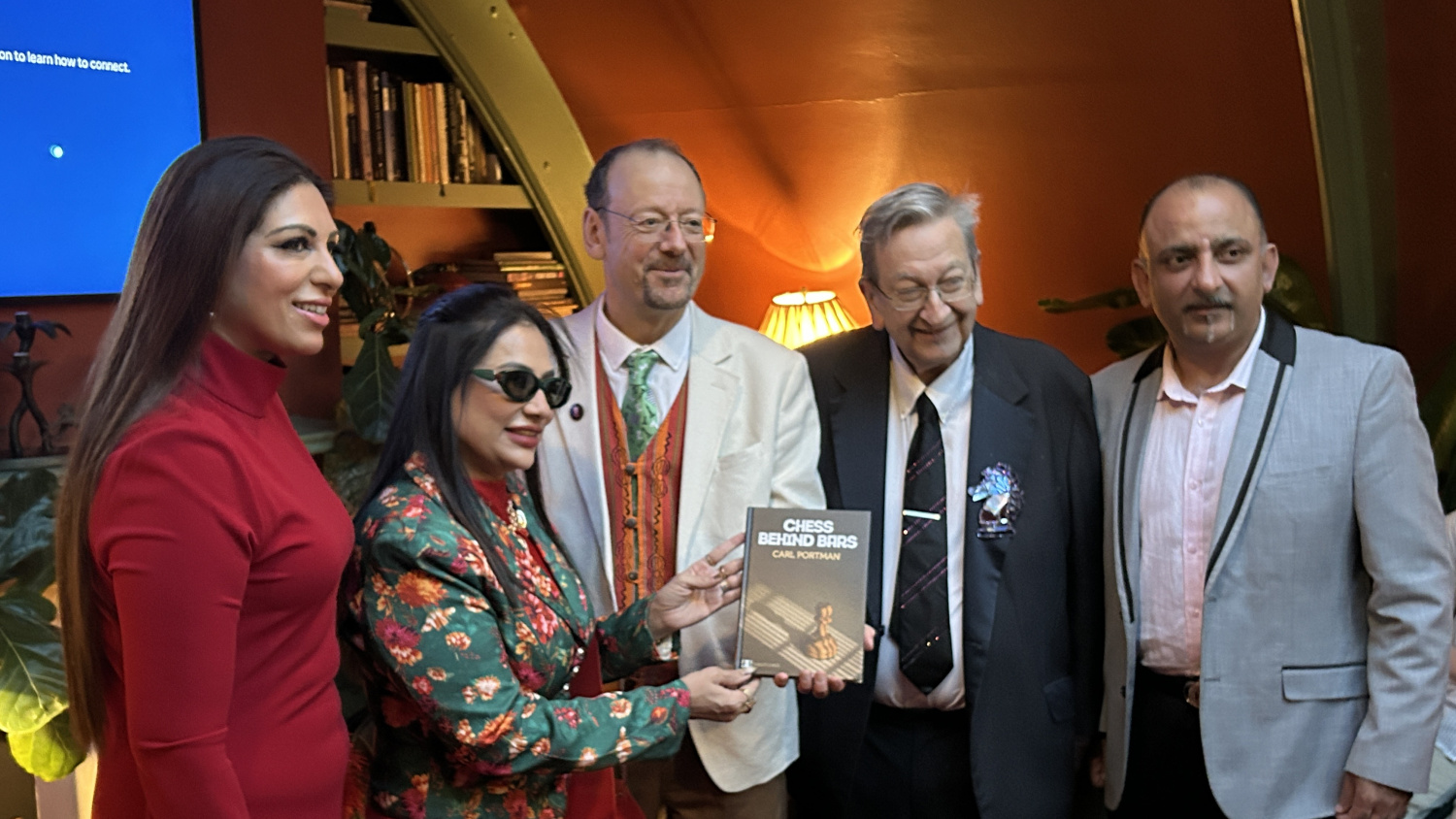
"Being behind bars is not a bar to chess." It is Carl Portman's line, and it framed a remarkable evening at L'Escargot on 9th September, where the Howard Staunton Society welcomed him as guest of honour to speak on "Chess in Prisons: And Why It Matters". Portman – a self-described "back street Brummie" and an amateur by fierce preference, who has nonetheless faced Anatoly Karpov, captained England at the NATO championships and won the UK Armed Forces veteran title – wears an MBE awarded for none of that, but for more than a decade carrying the game into the nation's cells. He calls it the longest tour in history.
He set out the case briskly. Most of us hear of prisons only when something goes wrong, and never the quiet good that might be done inside them; the numbers, meanwhile, are sobering. England and Wales hold some 87,000 people; a quarter go on to reoffend; 61 per cent of those assessed read below the level expected of an eleven-year-old; each prisoner costs the taxpayer more than £50,000 a year; and in one recent year 92 took their own lives. Portman is no soft touch – "a hard-liner", he says, who holds that if you do the crime you do the time – yet he is also a taxpayer, and, as he puts it, you needn't have been a prisoner to want to help, any more than every midwife has had a baby. His remedy is almost comically cheap. A set, a board and, ideally, a clock cost next to nothing and travel anywhere: the perfect game, he argues, for a prison.
The heart of the talk, as of the work, is not statistics but the letters – thousands of them – that prisoners have sent him, and he let their own words carry it. One wrote simply that "chess keeps me sane in an insane place"; another, "with brutal honesty, chess probably kept me from suicide". A player with Asperger's told him that when the strategy on the board falls into place "it is like the board lights up". A man on remand made himself a magnetic set and taught his young son to play down the phone, recovering a bond he had thought beyond reach. On a hospital wing at Strangeways, a prisoner on a suicide watch was quietly handed a game by a Samaritan listener; he has no idea, he later wrote, whether he would have come through that night without it.
Portman is at his most persuasive on behaviour. He described the most volatile man on a wing losing a piece, huffing and clenching his fists – and then, week upon week, ceasing to throw the pieces at all, because chess will not let him pin his mistake on anyone else. Ten of the most unmanageable men in a prison, he says, sitting in silence with their heads down over a board, is a sight no educational course can buy. And the game vaults every barrier in its path: on wings where Vietnamese, Albanian and Romanian men share no common tongue, he has watched them become friends, as one letter had it, "without even saying a single word – except for checkmate". Small wonder one correspondent signed off: "We are not players, we are practitioners of the art."
Nothing in the evening landed quite like the ingenuity. Denied sets, men make their own: pieces moulded from cardboard and toothpaste and left to dry overnight, kings whittled from matchsticks over two patient years, boards inked on the backs of prison menu sheets, pawns rolled from toilet paper and called move by move down a segregation landing so the man in the next cell can follow the game on his own contraband board. It is, Portman suggested, the surest proof of need he knows: people will build from nothing the very thing the system declines to give them.
He closed the case with a triumph. In 2022, with the English Chess Federation's Nigel Towers, he had just a few weeks to turn a squad at HMP Hewell – men from England, Albania, Somalia and Romania, some flagged as "difficult to manage" – into a side fit for the World online prison championship. They worked from textbooks printed in English and Romanian, met every commitment asked of them, and on the day drew their match with Germany. The BBC came to film them. Every player, Portman noted, could now say he had represented his country, and each left with the same discovery: that honest effort brings reward. The team's logo showed one figure hauling another up onto the board – chess, he said, as a hand up in life.
If a single voice summed up the night, it was that of a prisoner Portman quotes as "William Roscoe" – not his real name – who wrote that, beyond any wall, "there are also prisons of the mind", from which chess can set a man free. Portman would put it more plainly still: chess shines a light in a dark place. It was once his own, found at twelve on a Birmingham council estate when a schoolteacher showed him how the pieces moved. For a Society that carries Howard Staunton's name, and a quarter that has always kept a chair for the outsider, it made for an evening of rare and useful warmth – one that ended, as Portman likes to end, with a nod to Phil Ochs's "There but for Fortune" and its humane, uncomfortable suggestion that any of us, dealt a different hand, might be the one inside.